Canterbury is an expensive-looking city that repays a cheap visitor more than almost any other in Kent. The cathedral dominates the skyline and the ticket queue, but the city’s best free things — a service inside that same cathedral, the oldest church in the English-speaking world, the river and the walls — cost nothing and sit within a ten-minute walk of one another. This is a money-first day out: what is genuinely free, where to eat from a market instead of a restaurant, and the one honest decision, whether the cathedral ticket is worth paying for or a free service gets you what you came for. The cathedral guide covers the paid route in full; this piece is about spending as little as you sensibly can.
Canterbury’s free offer holds together as a single day because everything is close. A morning service in the cathedral, St Martin’s on the hill above it, the riverside path through Westgate Gardens, the walls circuit and Dane John Gardens all sit inside a compact centre, and none of them asks for money at the door. The city’s own list of free things is worth noting for how little padding is on it: the Beaney museum, closed Mondays, the gardens, the walls and the two churches are the real substance, not filler. The free things piece walks through the full list.
The cathedral ticket is priced in three bands: £18 from October to March, £19.50 April to September, and £21 on July and August weekends. Under-17s go free with a paying adult, two children to each adult, English Heritage members get 20% off, and students at the city’s universities plus eligible local residents come in free through the Cathedral Pass; Universal Credit and Pension Credit recipients also go free, pre-booked, for UK residents. The ticket buys the full visitor route — the martyrdom site, the crypt, the medieval glass, the Black Prince’s tomb and Bell Harry — and that route is the honest test. If you have come to see those things, £18 is not an unreasonable price for a building of this rank, and the cathedral guide sets out what you get. If you have come to sit in a great church for an hour and feel the place, the next section does it for nothing.
The cathedral’s own words are that there is never a charge to attend a service of worship, and that admission is the whole budget secret of the city. Choral Evensong is sung at 5:30pm every day, free, no ticket, no booking, with the choir in place in the quire. Around it the daily round is open in the same way: Morning Prayer at 7:30am on weekdays and 9:30am at weekends in the Jesus Chapel, Holy Communion at 8am every day, a lunchtime communion on Wednesdays at 12:30pm, and Sung Eucharist at 11am on Sundays. What free admission does not include is the visitor circuit: the crypt, the glass and the tombs sit on the paid route, and a service will not take you through them. The honest reading is that Evensong shows you the building’s heart — the stone, the light, the choir — but not its museum rooms.
St Martin’s on North Holmes Road asks for no admission, only a donation if you can spare one. It is the oldest church in continuous use in the English-speaking world, part of the World Heritage Site with the cathedral and St Augustine’s Abbey, and its chancel is Roman brick, in use by about 580 AD under Queen Bertha, with a nave among the earliest Anglo-Saxon stone structures in England. It is now open daily from 11am to 3pm, seven days a week, having recently widened from a shorter Wednesdays-to-Sundays pattern, and it is run by volunteers. Be honest about the approach before you set out: the church sits on a steep hill reached by steps, with no ramps or lifts and no toilets on site, so it will not suit everyone. A midday service around Thursday noon can limit the interior, and there is a Sunday service at 9am; check the church’s own page — martinpaul.org or @stmartins_canterbury — for day-to-day changes.
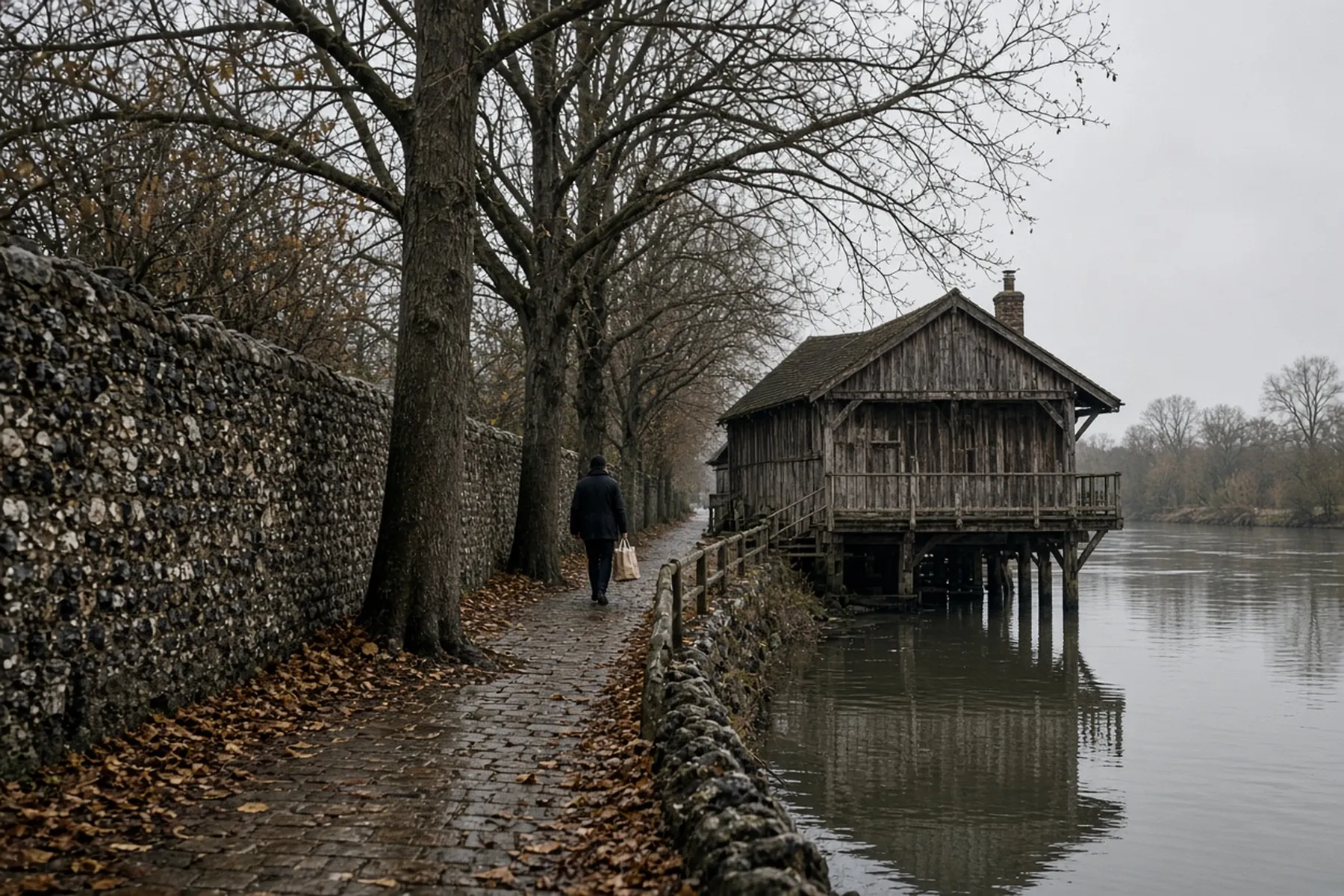
The Great Stour is Canterbury’s free theatre. The path through Westgate Gardens follows the river past the timber fronts of the old weavers’ houses, where the punts drift by with paying passengers — and the view from the bank costs nothing and asks nothing. You can watch the whole punting traffic pass beneath the bridges, read the water, and walk on, all without spending a penny; the punting piece covers what the boats cost if you decide the view is not enough. The towpath is the sort of walk that fits between everything else, ten minutes out and ten back, and it is at its best in autumn when the trees over the water have lost their leaves and the light sits low.
The walls and Dane John Gardens are the other free walk, and the walls article covers the route in detail, so this is only the budget framing: the circuit takes somewhere between half an hour and ninety minutes depending on how much of it you walk, and it costs nothing, opens at no set hour and needs no planning beyond a coat.
The ruins of St Augustine’s Abbey are part of the same World Heritage Site as the cathedral and St Martin’s, and you can see a good deal of them over the wall from outside for nothing. If you want to walk the site itself, the adult price is around £12.50 and English Heritage members go free; the exact current figure sits on English Heritage’s own page, so check it before you go rather than trusting a round number. The budget logic is simple: the free view from the perimeter shows you the scale of the place, and the paid entry buys the inside of a ruin whose best stories are told on the information boards — decide whether the boards are worth the price on the day.
The Goods Shed, beside Canterbury West station and about five minutes’ walk from the High Street, is the budget answer to eating in Canterbury. It is a working farmers’ market and food hall, open Tuesday to Saturday 9am to 6pm and Sunday 10am to 4pm, closed Mondays, with free customer parking. The cheap route is the market, not the restaurant: the butchery, the fishmonger, the veg stall, the cheese makers, Murrays Stores, the Wine Spot and Patriana Charcuterie between them sell everything you need for a picnic by the river, and Gill’s Café and Delicatessen is the sit-down option that costs a fraction of the main restaurant, where starters run roughly £9 to £14 and mains £18.50 to £25. Buy from the stalls, eat at Gill’s or on a bench in Westgate Gardens, and the food bill stays firmly in budget territory; the where to eat piece covers the fuller picture if you want a proper meal.
From Thursday 12 November to Thursday 24 December 2026 the Christmas Market runs across three city-centre sites — Whitefriars and the Marlowe Arcade, St George’s Street and the Cathedral Precincts — with more than 120 wooden huts, and entry is free; you pay only for what you buy, and browsing the stalls costs nothing. Hours run Monday to Friday 10am to 6pm, Saturday 9am to 7pm, Sunday 10am to 5pm, with Christmas Eve closing at 4pm and Christmas Day shut, all on canterburychristmasmarket.co.uk, the organiser’s page to check before you rely on them. The Christmas lights switch-on is Friday 13 November from 5pm to 8pm, run by Canterbury BID, with free park and ride from 2pm and road closures from 3:30pm to 9pm that evening. The winter piece carries the fuller season; here the point is that the biggest event of the month is also the cheapest.
The cheap day out needs cheap transport, and the links do the work. The train piece covers which London stations serve which Canterbury station and the difference between the fast route and the slower lines, and the parking piece sets out park and ride and where not to circle; fares move, so point yourself at the operators rather than trusting a number here. For free days beyond the walls, the Crab and Winkle Way runs seven miles, traffic-free, from Canterbury to Whitstable, and the beaches at Whitstable and Herne Bay cost nothing once you are there — the day trips piece and the Whitstable piece cover both.
The one paid ticket worth weighing is the Canterbury World Heritage Pass at £29.50 for an adult, which covers the cathedral, St Martin’s and St Augustine’s Abbey. The arithmetic is straightforward: the cathedral alone is £18 in the winter band, so the pass pays for itself if you also want the abbey’s inside — and it quietly upgrades the whole day, turning two of the three World Heritage sites from a view-over-the-wall into a proper visit. If you are on a strict budget, the free version of this day — Evensong, St Martin’s, the river and the walls — is a complete Canterbury, and the pass is the upgrade, not the requirement.